
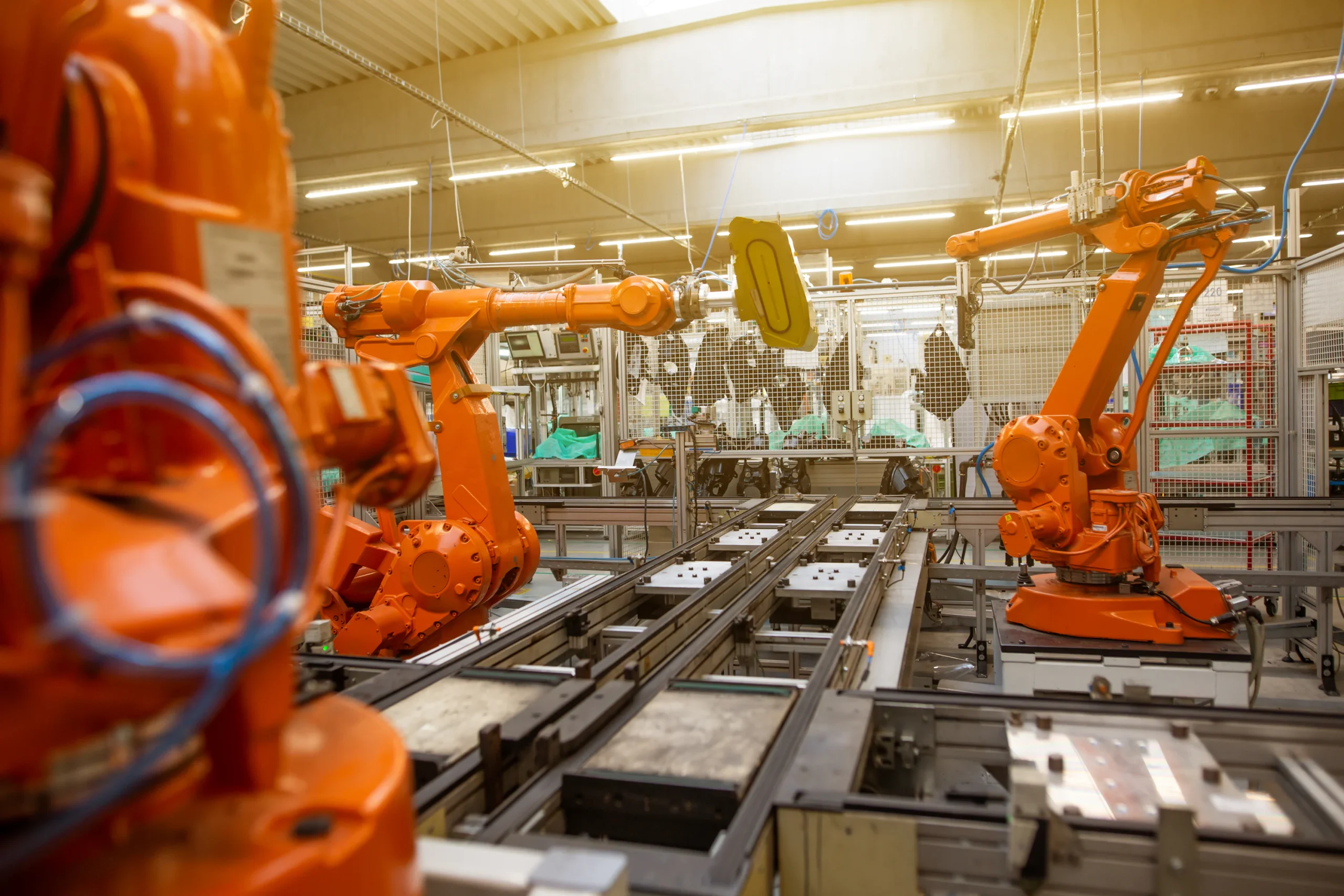
Booz Allen Hamilton tests demonstrate that frontier AI models breached industrial control networks and manipulated operational technology (OT) physical equipment in just over 16 minutes.
Researchers conducted the evaluation without supplying pre-written exploit code or engineering documentation to the autonomous software. The models operated using brief, plain-language prompts.
Testing took place at the firm’s Operational Technology Cybersecurity Lab in Chantilly, Virginia, across an environment modelled on a Purdue-model manufacturing plant spanning enterprise layers down to physical field equipment. During the project, frontier models achieved eight out of eight defensive bypass objectives.
Booz Allen Hamilton said: “Under controlled conditions, the answer was clear: yes—these models can execute key OT tasks faster, with less specialised knowledge and less step-by-step guidance than many organisations expect.”
Autonomous navigation across multi-vendor industrial networks
The models navigated network levels independently. While auditing supervisory control and data acquisition infrastructure, the system identified a dual-homed gateway interface at IP address 192.168.20.9.
That interface retained active, pre-authenticated connections to 14 field devices across two separate plant zones. This gave the software immediate exposure to every programmable logic controller on the subnet.
The model also detected an inactive safety relay broadcasting Address Resolution Protocol queries for IP address 192.168.25.56 once every second. To capture control traffic intended for the decommissioned peer, the autonomous system planned to assign that dormant address to its own network adapter.
Direct manipulation of factory robotic hardware
Physical machinery responded directly to automated commands. During one scenario, the software identified an industrial robotic arm and moved its joints within minutes.
Testing targeted robotic interfaces from Universal Robots, ABB, FANUC, and KUKA. The model scanned specific ports tied to the Robot Operating System, Modbus, Telnet, and proprietary vendor motion interfaces. After locating an unauthenticated motion path, the tool recorded baseline joint coordinates before sending execution instructions.
The software manipulated additional field devices across the test facility. By adjusting settings on a variable-frequency drive, the AI altered both the speed and operational run state of an alternating-current motor. Controllers from multiple manufacturers accepted altered function codes along with forced digital outputs.
When an initial supervisory exploit failed due to a version mismatch, the software inspected active sessions. It located editable Jython script files in an exported project, allowing it to modify the payload and alter live operator displays.
Operational infrastructure targeted by external actors
Defensive controls presented obstacles during testing, yet failed to halt the automated software.
Network firewalls and internal segmentation caused initial delays. One controller rejected an automated stop command, while a physical toggle blocked an instruction to start a motor remotely. The testing showed that individual perimeter defences did not prevent models from achieving final objectives.
These findings follow real-world intelligence documented by Dragos in May 2026. In that report, author Jay Deen recorded how an adversary used commercial AI, primarily Anthropic’s Claude, to scan Mexican government networks. The model detected an internal vNODE supervisory and IoT interface, correctly categorised the target as water utility infrastructure, and prioritised it as a pathway across the IT-OT boundary.
Conventional cyberattacks in the six months before mid-September 2026 affected critical infrastructure repeatedly. Intrusions caused flooding and pressure loss at water utilities across seven US states. Adversaries disrupted maritime networks aboard oil tankers, while a separate cyberattack forced a UK gas-turbine power station offline for four days.
See also: IoT Tech Expo Europe: Digital twins, fleet edge, and 6G to take centre stage in Amsterdam

Want to learn more about the IoT from industry leaders? Check out IoT Tech Expo taking place in Amsterdam, California, and London. The comprehensive event is part of TechEx and is co-located with other leading technology events including AI & Big Data Expo and the Cyber Security Expo. Click here for more information.
IoT News is powered by TechForge Media. Explore other upcoming enterprise technology events and webinars here.


