Record growth was observed for Britain’s smart meter network in 2021, helping to support the country’s net-zero carbon ambitions.
The Smart Data Communications Company (SmartDCC) operates and maintains the national smart meter network.
In 2021, SmartDCC says it added eight million smart meters—representing an 87 percent increase. August 2021 was a record month with over one million smart meters connected.
Angus Flett, CEO of SmartDCC, said:
“2021 was the biggest year yet for the national smart meter roll-out. The trajectory continues and 2022 will be the year that smart meters outnumber traditional analogue meters.
The growth of our network is due to the hard work of the DCC’s customers, the energy suppliers and network operators. They’ve not only kept installation rates strong, but this year they’ve embraced technologies at scale that are helping us reach more homes and small businesses—such as dual-band communications.”
Already the odds are that if you have a smart meter, it’s connected to the DCC’s network, which is proving itself as the backbone of a new digital energy infrastructure for Britain.”
The operator doubled its userbase of first-generation (SMETS1) smart meters over the year.
An OTA software update for first-generation smart meters is being deployed that enables them to operate on the DCC network and gives consumers the ability to switch suppliers without losing smart functionality.
SmartDCC says the rollout of second-generation units is continuing on a “steady” trajectory.
British smart meters sent and received six billion messages in 2021. The data is being used by suppliers and operators to balance their networks and make the best use of renewables.
SmartDCC claims its whole network is helping to save half a million tonnes of carbon emissions per year—with electricity savings alone being equivalent to the total annual consumption of all the homes in Liverpool.
A total of 17.3 million smart meters were connected at the end of 2021 and it doesn’t appear like growth will be slowing anytime soon.
SmartDCC says dual-band communications hubs enable smart meters to function in homes with thick walls or flats where the meter is far from the property. The company says the new hubs will make a further 25 percent of British properties eligible for smart meters.
While the record-breaking smart meter rollout is welcome news, record energy bills are not. The smart meters will at least help people keep tabs on how much they’re spending to take action where they can to help prevent more homes from falling into fuel poverty.
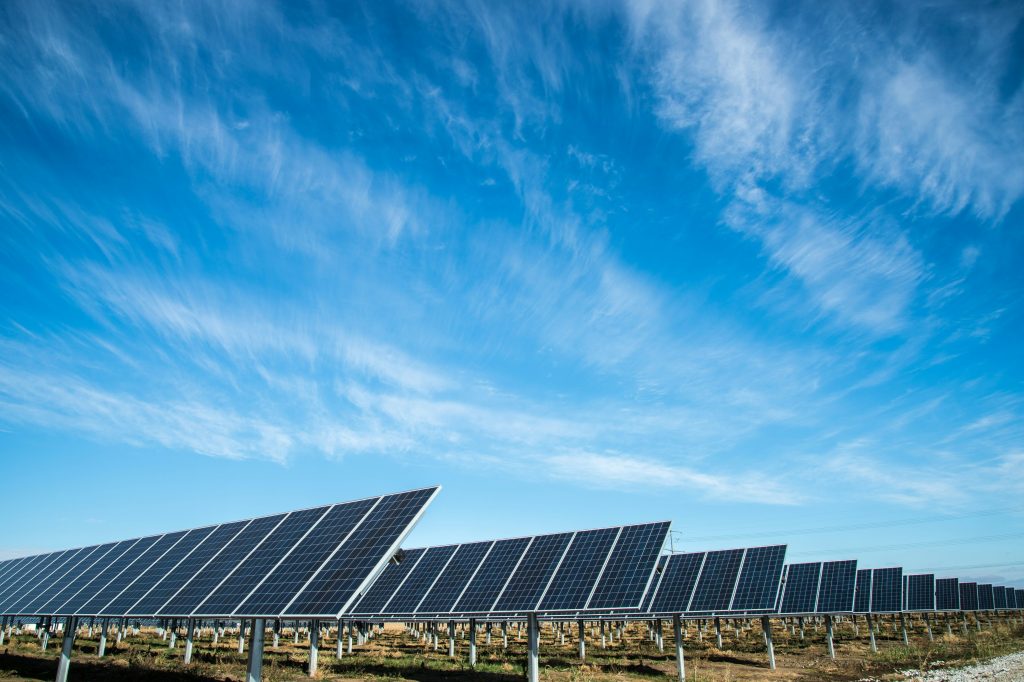
(Photo by Johannes Plenio on Unsplash)

Want to learn more about the IoT from industry leaders? Check out IoT Tech Expo. The next events in the series will be held in Santa Clara on 11-12 May 2022, Amsterdam on 20-21 September 2022, and London on 1-2 December 2022.
Explore other upcoming enterprise technology events and webinars powered by TechForge here.